Un artista manipula marionetas en un estudio de animación stop-motion.

Stop-motion: a captivating animation technique

  • 2 October 2023
  • 3 minutos
  • Blog

Animation is an art form that provides viewers with imaginary worlds and unforgettable characters. One of the most fascinating techniques used in animation is stop-motion. Stop-motion involves the creation of animation frame by frame, bringing inanimate objects to life through a series of still images. Each frame is captured individually, moving objects or characters slightly between shots to create the illusion of movement when played in sequence. 

Iconic examples in film and advertising

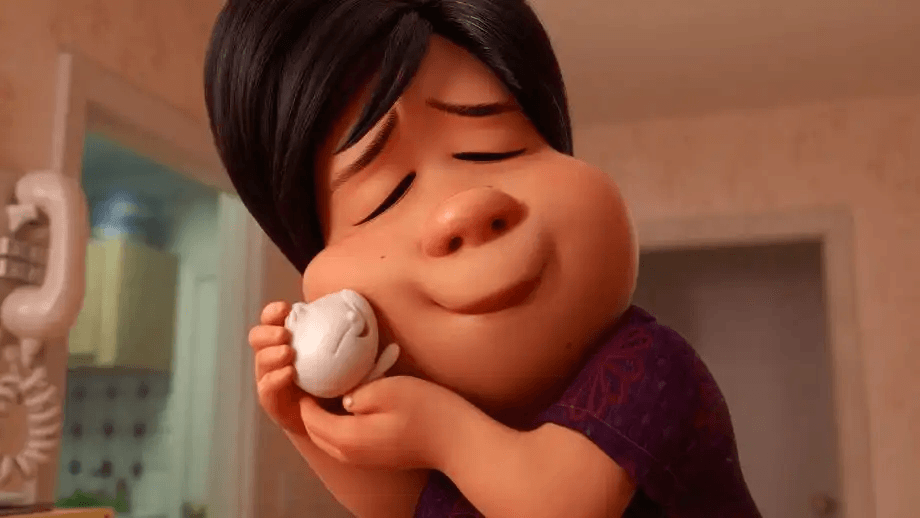
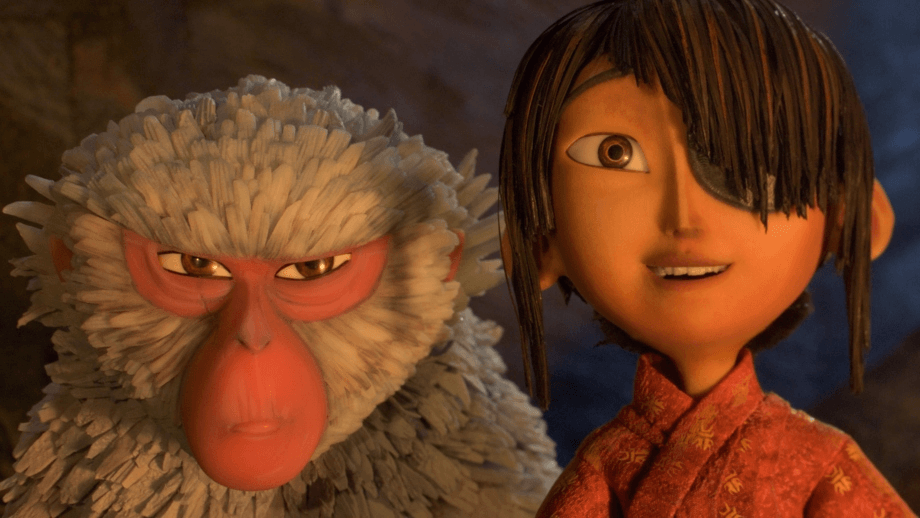
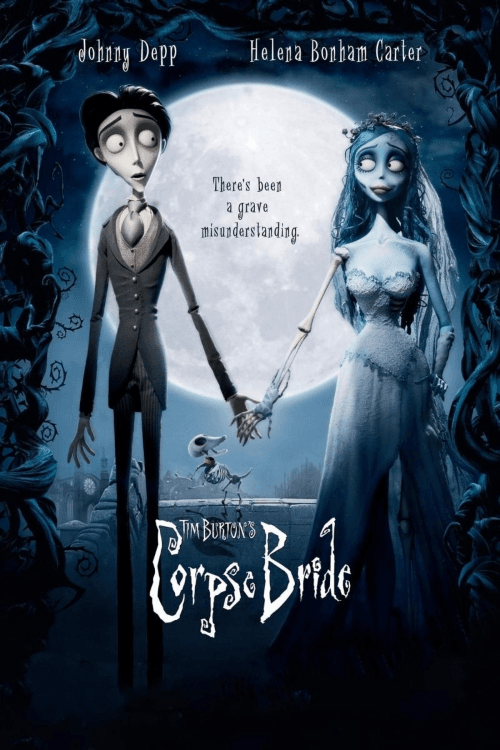
This technique has left its mark on film history with iconic films such as  Tim Burton's "Nightmare Before Christmas" and "Corpse Bride" where the use of stop-motion creates visually stunning worlds. Others such as "Coraline and the Secret Door" and "Kubo and the Two Magic Strings" have shown that engaging and exciting stories can be told in a unique style. We also find examples of short films, widely awarded at international festivals, such as"Bao" winner of the Academy Award for Best Animated Short Film in 2019.
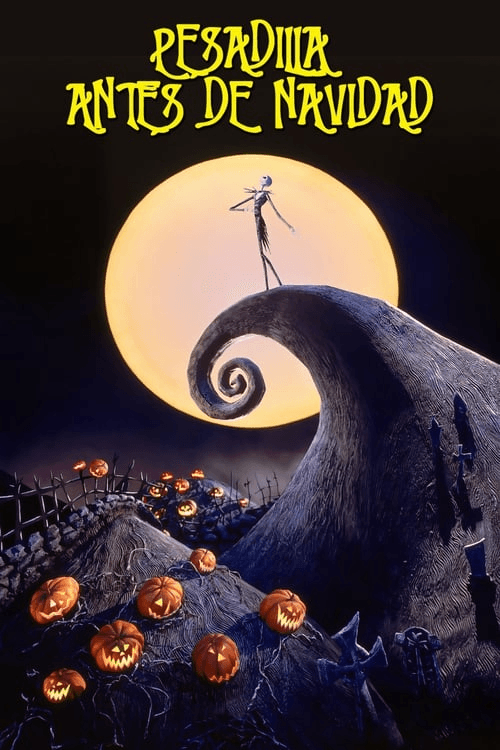
Nightmare Before Christmas 
Corpse Bride 
Bao 
Kubo and the Two Magic Strings 

It has not only made its mark in cinema, but also in advertising and in the world of short films. Many brands have used this technique to create unforgettable commercials that stand out for their originality and ability to capture the viewer's attention. For example Honda and the spot entitled The Cog" (2003) or Sony Bravia with Color Like No Other.

Stop-motion proves to be a versatile art form that evolves with the passage of time and the advancement of technology. Today, animators have access to digital tools that allow them to combine stop-motion with digital animation techniques, further expanding the creative possibilities and facilitating the development of works.

In the Bachelor's Degree in Animation you will have a specific subject in which you will learn to generate movement through characters and objects created and modelled with putty, plasticine and various materials and then treat them digitally to produce short and feature-length animated films. Do you want to master this technique?

Related Insights

Un grupo de jóvenes interactúa frente a varias pantallas de computadora en un entorno colaborativo.
Ciencia y Tecnología

How to use AI to study without stopping yourself from thinking: five checks to carry out before accepting an answer

24 July 2026

Using artificial intelligence to study can help you understand, practise and revise, but first you must check whether it is permitted, make an initial effort yourself, decide what role it will play, verify its answers and retain ownership of the process. Citing the tool does not replace the need for permission, nor does it automatically make its content a reliable source.

Dos mujeres trabajan juntas en un taller, utilizando herramientas para crear algo.
Proyectos

How to work as a team on creative and tech projects without ending up doing everything yourself

24 July 2026

Working well as a team on creative and technological projects requires more than simply dividing up tasks. Before starting, the group needs to agree on the end result, who is responsible for what, who makes each decision, where files are stored, how the work is reviewed and what to do if the project hits a dead end. Making the process transparent prevents duplication of effort, conflicts and last-minute bailouts.

Un grupo de estudiantes concentrados en sus computadoras trabajando en un proyecto.
Creación gráfica

Master’s in Graphic Design at UDIT: how to tell if your portfolio needs more discernment, not just more pieces

9 July 2026

UDIT’s Official Master’s Degree in Graphic Design is designed for creative, visual or design-oriented professionals who wish to build a professional portfolio covering a range of disciplines: branding, editorial design, packaging, audiovisual graphics, digital graphics, advanced typography, visual culture, design management, work placements and a Master’s thesis. It is not about simply accumulating more pieces, but about learning to explain and justify every visual decision.

Un joven está trabajando en una tableta gráfica en un entorno de estudio moderno.
Videojuegos

Bachelor’s Degree in Digital Art for Video Games at UDIT: how to know if you want to create interactive visual worlds

9 July 2026

UDIT’s Official Bachelor’s Degree in Digital Art and Visual Creation for Video Games and Interactive Environments is a four-year, 240 ECTS on-campus programme based in Madrid, focused on creating characters, settings, props, interfaces, textures, lighting, VFX and visual worlds that must function within engines such as Unity or Unreal. It is ideal for creative professionals who wish to build the visual dimension of interactive experiences.

Un joven dibujante trabaja en su mesa con una pantalla digital.
Animación

Bachelor's Degree in Animation at UDIT: how to tell if creating characters, worlds and stories in motion is your thing

26 June 2026

UDIT’s Official Bachelor’s Degree in Animation provides training in the entire process of creating an animated audiovisual piece: scriptwriting, storyboarding, character and background design, 2D and 3D animation, post-production, VFX, sound, art direction and showreels. It is a face-to-face programme, lasts four years (240 ECTS) and is taught in Madrid. It is designed for creative individuals who want to learn how to create movement, narrative and production, not just how to draw.

Un hombre y una mujer están colaborando en una computadora portátil mientras revisan documentos en un entorno de estudio.
Ciencia y Tecnología

Master’s in Cybersecurity and Ethical Hacking at UDIT: how to move from finding vulnerabilities to building digital resilience

26 June 2026

UDIT’s Official Online Master’s Degree in Cybersecurity and Ethical Hacking is designed for professionals with a technical or scientific background who wish to specialise in offensive security, coordinated defence, Red Team, Purple Team, OSINT, forensic analysis, incident response and GRC. It’s not just about learning tools: it’s about developing the judgement needed to protect digital assets when the risk is already within the system.